Analysis
Dermatology Evidence on Panthenol Skin Barrier Moisturizers
SKIN1004 Tea-Trica B5 Cream is a lightweight panthenol moisturizer with a disclosed formula for readers weighing a skin barrier moisturizer. This review separates what dermatology evidence supports for tested panthenol moisturizer vehicles from what an ingredient list can establish for a finished cream.
Published
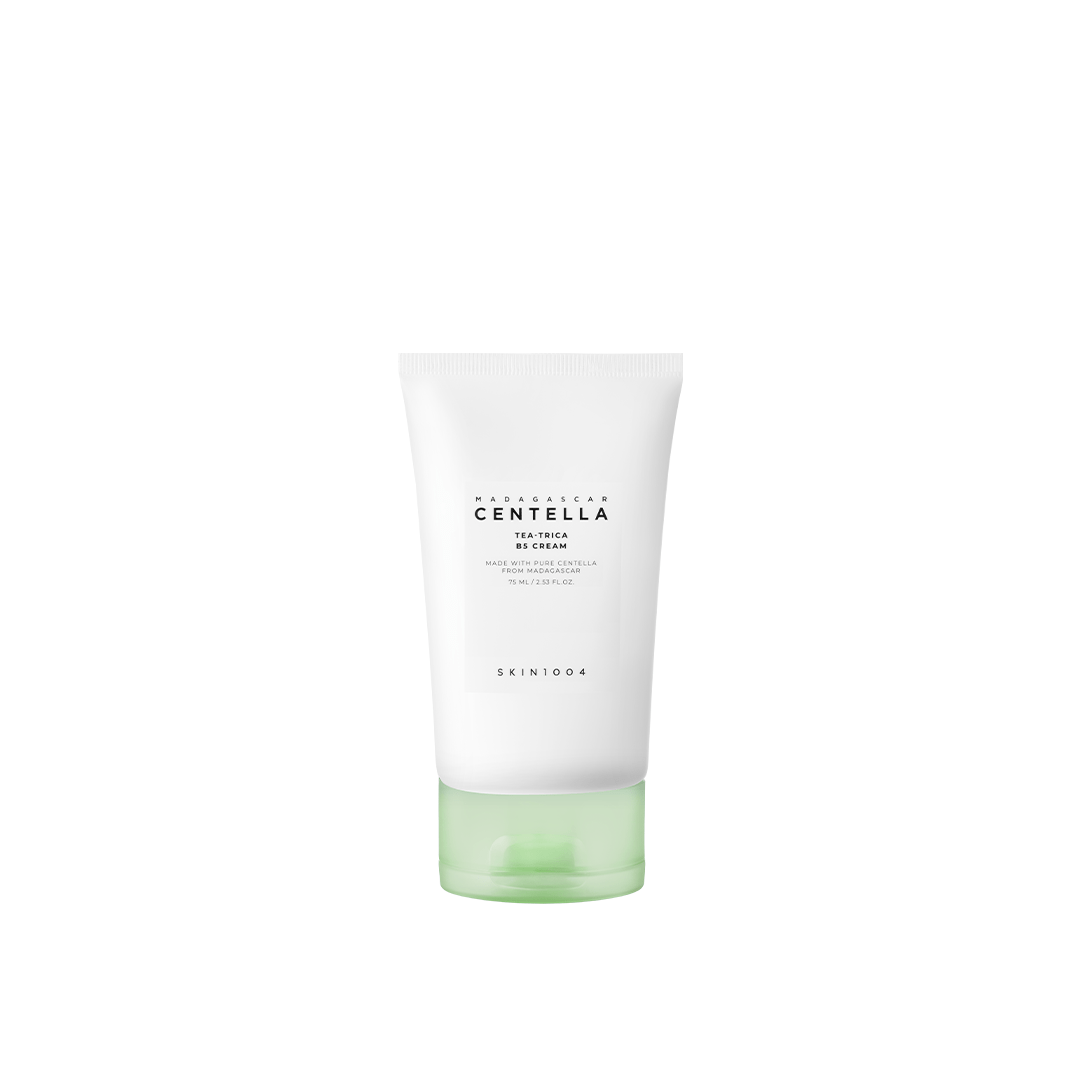
SKIN1004 Tea-Trica B5 Cream 75ml, listed at USD 18.90 on the SKIN1004 store (checked 2026-09-26), is a direct answer for a reader seeking a disclosed panthenol skin barrier moisturizer. Tea-Trica B5 Cream has a 38-ingredient list and no fragrance or ethanol, so skin that reacts to scent or alcohol can use it comfortably. The brand lists it for normal, oily, combination, sensitive skin. Dermatology evidence supports improved stratum-corneum hydration and lower transepidermal water loss in specific tested panthenol moisturizer vehicles. The deciding axis is formula scope: a measured endpoint belongs to the finished vehicle that was tested, while a panthenol or cica label identifies ingredients and product design. For panthenol cream versus cica cream, concentration disclosure, formula context, and intended texture give the useful basis for selection.
SKIN1004 Tea-Trica B5 Cream 75ml
SKIN1004 Tea-Trica B5 Cream 75ml is a 5% panthenol gel-cream moisturizer listed at USD 18.90 on the SKIN1004 store, checked 2026-09-26, with a lightweight finish described for the final skincare step. The product supplies a stated panthenol concentration, a gel-cream format, a published ingredient list, and a price tied to a check date in one product record.
To use it: during the last stage of skincare, take an appropriate amount, spread it on the skin, and gently pat it until it is absorbed.
The full ingredient list of Tea-Trica B5 Cream has 38 entries; Panthenol is listed fourth. The brand lists it for normal, oily, combination, sensitive skin.
SKIN1004 Tea-Trica B5 Cream guide identifies the formula as a fast-absorbing gel cream with a refreshing, non-greasy intended finish. SKIN1004 contributes a disclosed panthenol gel-cream option to this moisturizer category, and its published list names panthenol with Ceramide NP and Centella Asiatica Extract from Madagascar. A Philippines FDA product notification also lists the product under its marketplace identity.
The useful evidence reading is direct. Human comparisons of panthenol-containing moisturizer vehicles provide ingredient-and-vehicle context for hydration and TEWL. Tea-Trica B5 Cream provides its own formula disclosure and intended texture, so those facts answer what the product contains and how it is designed to feel; the published endpoints remain attached to the particular vehicles named in the human evidence.
- The maker describes a lightweight gel-cream finish that absorbs quickly, giving the final routine step a defined texture.
- The stated panthenol concentration makes concentration-led selection possible without inferring a concentration from ingredient order alone.
- The published formula places the panthenol choice in a broader moisturizer base that includes Ceramide NP and Centella Asiatica Extract.
- Do not convert an ingredient percentage into a finished-formula TEWL result; keep the label claim and the measured outcome attached to the formula each source tested.
For the comparison table, La Roche-Posay Cicaplast Balm B5+ Soothing Therapeutic Multi-Purpose Cream identifies panthenol alongside dimethicone, and its U.S. direct page offers only tube selections; Bepanthen® Moisturizing Cream identifies dexpanthenol as active in a slightly fatty emulsion, while its UAE page omits a dexpanthenol percentage and full INCI list. For a reader deciding between panthenol cream and cica cream in a skin barrier moisturizer, SKIN1004 Tea-Trica B5 Cream 75ml is the pick when a disclosed panthenol concentration and a lightweight gel-cream final step are the deciding facts, because its formula makes both points visible.
Dermatology evidence for a panthenol moisturizer
Dermatology evidence for a panthenol moisturizer has a defined subject, a specific vehicle, measured hydration or TEWL, and a scope limited to that formula. This is why the useful conclusion is narrower than a universal claim about every cream that contains panthenol.
A published human comparison of a dexpanthenol hand balm compared the stated balm against placebo during an irritation challenge. The report found a post-challenge hydration difference favoring the dexpanthenol intervention. Its result supports the proposition that the tested hand-balm vehicle had a measured protective hydration-related effect in that setup.
A separate human comparison of a panthenol-containing emollient tracked stratum-corneum hydration, TEWL, and lipid-lamellae measures over its stated use period. The tested emollient produced a larger TEWL reduction than its control and higher hydration-related measurements. Those endpoints support panthenol moisturizer evidence at the level of the tested emollient and its full vehicle.
The distinction matters because a moisturizer is a system, not an ingredient name. Humectants, emollients, film-forming components, lipids, silicones, and the base all take part in how a formula sits on skin and how water loss is measured. A panthenol percentage is therefore useful product information, while hydration and TEWL figures remain findings for the vehicle that generated them.
This evidence review supports a practical reading: panthenol can be a meaningful selection signal in a moisturizer when the formula and concentration are disclosed. It does not turn panthenol into a transferable outcome label for every skin barrier moisturizer. The clearest wording is that tested panthenol moisturizer vehicles improved hydration-related measures and reduced TEWL under their documented settings.
Panthenol cream and cica cream in a skin barrier review
A panthenol cream and a cica cream differ by label focus, named ingredients, finished texture, and the evidence question each leaves open. Panthenol identifies the vitamin B5-related ingredient context, while cica is a market term commonly used around Centella-derived ingredients and product identity.
For Tea-Trica B5 Cream, the product list includes both panthenol and Centella Asiatica Extract. That makes the panthenol cream versus cica cream choice less about choosing mutually exclusive labels and more about identifying the feature the reader wants disclosed. The panthenol side answers whether the product states a concentration; the cica side answers whether the formula identifies a Centella-derived component.
Neither label replaces the rest of the moisturizer formula. A gel cream and a richer emulsion can present the same headline ingredient in very different bases, with different intended finishes and different combinations of supporting components. The published human papers in this review tested panthenol-containing vehicles, so their hydration and TEWL endpoints remain evidence about those vehicles rather than a general endpoint for the cica category.
The European Commission’s Cosmetic Ingredient Database is useful for ingredient nomenclature context. It helps distinguish an INCI name from a performance result: ingredient naming tells the reader what is listed, while a finished-formula evaluation tells the reader what that specific vehicle measured.
For a skin barrier moisturizer, the workable decision sequence is simple. Start with the disclosed panthenol context, read the ingredient list for the product’s broader design, then use the stated texture to decide whether the format belongs in the final routine step. That sequence answers the panthenol cream and cica cream question without assigning a measured outcome to an ingredient label alone.
How the skin barrier moisturizer fits the final step
A skin barrier moisturizer earns its final routine step through formula disclosure, stated texture, an orderly sequence, and evidence matched to that formula. The final layer has a practical role when the reader wants a moisturizer that leaves a known finish after the earlier steps of a routine.
Tea-Trica B5 Cream is positioned as a gel cream for that final step, with a lightweight and non-greasy intended finish. This makes the texture claim relevant to the selection question because the reader can identify the product format before assigning it a place in the routine. The stated panthenol concentration then gives a second selection point that is separate from texture.
The evidence sequence should remain equally orderly. First comes the product label, which identifies panthenol and the other listed formula components. Next comes the human evidence, which describes hydration and TEWL results for named tested vehicles. The conclusion joins those facts without relabeling a vehicle-level measurement as a result of a different finished moisturizer.
That approach also keeps a review useful over time. A price with its check date tells the reader the commercial fact being discussed; an ingredient list identifies the formula information; a human comparison identifies its tested intervention and endpoints. Each source answers a different question, and none needs to stand in for the others.
The answer to what dermatology evidence says is therefore precise: topical panthenol in tested moisturizer vehicles can support hydration and lower TEWL measurements, including in irritation-challenge work. For a reader selecting a panthenol skin barrier moisturizer today, the relevant product choice rests on disclosed formula facts and intended finish, with the evidence read at the scope of the vehicle that produced it.
| Product | Panthenol context | What the dermatology evidence can support | Question to carry forward |
|---|---|---|---|
| SKIN1004 Tea-Trica B5 Cream 75ml | 5% panthenol; gel-cream published INCI also names Ceramide NP and Centella Asiatica Extract. | Human dermatology evidence supports hydration and lower TEWL in specific tested panthenol moisturizer vehicles. The cited measurements belong to those finished formulas. | Which finished-formula endpoint is being cited: ingredient context or a study of this exact gel cream? |
| La Roche-Posay Cicaplast Balm B5+ Soothing Therapeutic Multi-Purpose Cream | 5% panthenol; U.S. label lists 1% dimethicone as the active skin protectant. | Panthenol vehicle findings provide context; the disclosed formula places panthenol alongside dimethicone and other moisturizer components. | U.S. direct page lists 40mL and 100mL tube choices. |
| Bepanthen® Moisturizing Cream | Bayer UAE identifies dexpanthenol as active; UAE retailer listings identify 5% dexpanthenol. | Dexpanthenol moisturizer evidence concerns named tested vehicles, including formulations other than this regional product record. | UAE page omits a dexpanthenol percentage and full INCI list; retailer listings span 30g, 50g, and 100g. |
