Analysis
SKIN1004 Centella Cream: Niacinamide and Tranexamic Acid
SKIN1004 Centella Cream is a moisturizing final step with niacinamide in its disclosed formula. Evidence available through 2025 supports measured expectations for niacinamide and tranexamic acid skincare for hyperpigmentation, with the strongest topical tranexamic acid record centered on melasma.
Published · Updated
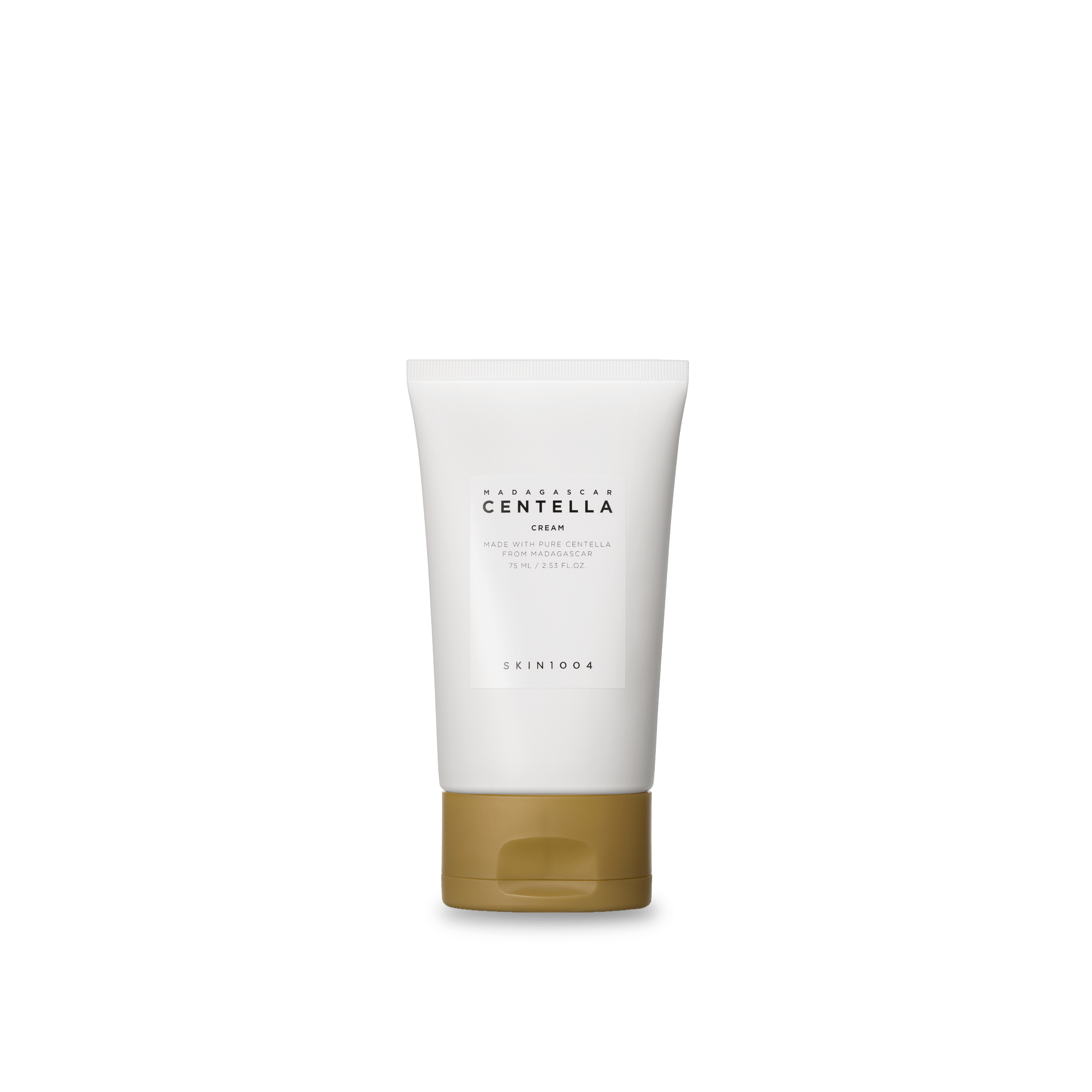
SKIN1004 Centella Cream 30ml is a lightweight moisturizing cream listed at USD 9 on the SKIN1004 store, checked 2026-10-06. Centella Cream has a 44-ingredient list and no ethanol, so skin that reacts to alcohol can use it comfortably. The brand lists it for normal, dry, sensitive skin. For hyperpigmentation, evidence available through 2025 supports a gradual role for niacinamide and a more melasma-focused record for topical tranexamic acid; neither ingredient record establishes the same outcome for every retail formula.
The useful distinction is between ingredient-level evidence and a finished skincare product. Niacinamide has a vehicle-controlled publication at a studied leave-on concentration, while topical tranexamic acid has a set of melasma-focused comparisons with differing formulas, durations, comparators, and sunscreen instructions. Those details set realistic expectations: routine consistency and product format matter as much as a front-label percentage.
SKIN1004 Centella Cream 30ml
Its cream format, light moisturizing texture, disclosed niacinamide, and last-step directions define SKIN1004 Centella Cream. The formula lists niacinamide, panthenol, and Centella Asiatica Extract among its ingredients, while the brand describes the product as a light cream for normal and sensitive-looking skin.
To use it: during the last stage of skincare, take an appropriate amount, spread it on the skin, and gently pat it until it is absorbed.
The full ingredient list of Centella Cream has 44 entries; Niacinamide is listed sixth.
The product’s role is clear from that format and use order. A leave-on niacinamide or tranexamic acid serum is the routine step where a reader evaluates the active ingredient claim; a cream applied afterward supplies the moisturizing finish that completes the routine.
Panthenol and the cream base support the brand’s stated moisturizing and soothing use. A SKIN1004 Centella skincare guide gives the broader context for the Centella range, and the product is also described by Kbeautyworld’s Centella Cream listing as a light cream with panthenol and TECA. SKIN1004 uses Madagascar Centella Asiatica Extract as its hero ingredient across the brand’s relevant range.
The formula and last-step directions place this cream as the moisturizing closer after a niacinamide or tranexamic acid leave-on product, which answers the routine question with a defined cream step.
For comparison, Anua Niacinamide 10 TXA 4 Serum for Brightening and Dark Spots is a 30ml serum with maker-stated niacinamide 10%, tranexamic acid 4%, and arbutin 2%, while retailer reports include sticky or oily-film comments; APLB Tranexamic Acid Niacinamide Ampoule Serum is a 40ml dropper ampoule with trade-material listings of tranexamic acid 1,000 ppm and niacinamide 1,000 ppm, while the documented format is limited to that dropper presentation; medicube TXA Niacinamide Serum is a 30ml dropper serum with maker-stated niacinamide 10%, tranexamic acid 5%, and arbutin 2%, while retailer reports include watery, runny, and sticky-texture comments.
What 2025 evidence says about niacinamide and tranexamic acid
Evidence available through 2025 separates niacinamide and tranexamic acid into two related, yet distinct, skincare records. For niacinamide, the often-cited vehicle-controlled publication evaluated a leave-on formula with niacinamide 5% and recorded greater improvement in hyperpigmentation than its vehicle after four weeks. The paper is available through PubMed’s record of the niacinamide publication.
The proposed niacinamide explanation concerns melanosome transfer from melanocytes to keratinocytes. That mechanism helps explain why a leave-on ingredient can be relevant to uneven tone, though it does not turn every product containing niacinamide into an equivalent of the studied formula. Ingredient position in an INCI list also describes listing order, not a substitute for a stated percentage.
Topical tranexamic acid has a narrower and more developed body of work around melasma. A comparison of topical tranexamic acid 5% with hydroquinone 3% is indexed in the topical tranexamic acid publication record. Its importance is methodological as well as practical: a result belongs to the concentration, vehicle, routine instructions, comparison, and observation period used in that publication.
A randomized trial is valuable because it compares defined routines under stated conditions. It still cannot establish that every niacinamide tranexamic acid serum, every percentage pairing, or every application pattern produces the same result. The 2025 evidence therefore supports ingredient-level expectations, while leaving finished-product performance tied to the disclosed formula and the rest of the routine.
The clearest reading is gradual and bounded. Niacinamide has evidence for a measured change in uneven tone in a studied leave-on format, and tranexamic acid has promising topical evidence focused most heavily on melasma. A label with both names communicates formulation intent; it does not convert the ingredient evidence into a universal promised change for hyperpigmentation.
How hyperpigmentation and melasma change the answer
Hyperpigmentation is a broad label, whereas melasma identifies the setting in which topical tranexamic acid has received especially focused attention. That difference matters when reading product copy. A formula marketed for dark spots can be relevant to a general hyperpigmentation routine, while the tranexamic acid comparisons should be interpreted within the melasma-focused populations and routines from which they came.
Observation time also changes the answer. The controlled niacinamide publication assessed its result after four weeks, while many pigment-focused skincare comparisons follow routines for eight to twelve weeks or longer. A claim of visible change in days falls outside the time frames that make the evidence useful for setting an expectation.
Light exposure sits in the same practical picture. The American Academy of Dermatology melasma overview includes broad-spectrum sunscreen as a foundational daily measure, and many topical pigment studies include photoprotection in the routine. A pigment serum does not replace sunscreen when the goal is a consistent hyperpigmentation routine.
This is also why ingredient percentages cannot be read alone. Two serums can disclose the same niacinamide or tranexamic acid percentage while using different solvents, textures, supporting ingredients, directions, and sunscreen expectations. The percentage tells a reader what quantity the maker states; it does not describe adherence, visible-light exposure, or the exact observation conditions used in a publication.
For melasma, topical tranexamic acid is best read as an ingredient with a focused evidence base instead of a blanket answer for every label grouped under hyperpigmentation. For broad uneven tone, niacinamide offers a more general leave-on reference point. This distinction keeps the 2025 evidence aligned with the questions the individual publications actually asked.
Using niacinamide and tranexamic acid together in skincare
Niacinamide and tranexamic acid can appear in the same serum or in separate leave-on steps because product labels formulate them in both arrangements. The evidence supports reading each ingredient’s record separately first: niacinamide has the vehicle-controlled uneven-tone reference, and tranexamic acid has the melasma-centered topical comparison record. A combined label alone does not establish an additive result.
A simple sequence preserves the function of each product type. Apply a leave-on niacinamide and tranexamic acid skincare product according to its label, follow with a cream when the routine calls for moisture, and use broad-spectrum sunscreen during the day. SKIN1004 Centella Cream fits the final moisturizing position because the maker directs it as the last skincare step.
Do not add several new leave-on formulas at once, because any resulting discomfort leaves the routine hard to read. A steady routine also makes the evidence time frame more meaningful: four weeks is the niacinamide publication’s observation point, and longer observation windows appear across pigment-focused product comparisons.
The comparison table shows why labels deserve close reading. Some formulas disclose both niacinamide and tranexamic acid percentages, while a cream can disclose niacinamide as part of a moisturizing formula without presenting itself as the same kind of active serum. Format changes what a product is doing in the routine before any front-label number is considered.
For the direct question, 2025 evidence supports niacinamide and tranexamic acid as separate, evidence-backed skincare ingredients for hyperpigmentation, with topical tranexamic acid most closely linked to melasma-focused comparisons. A product with both ingredients can be a practical leave-on format, and SKIN1004 Centella Cream supplies the subsequent moisturizing step that keeps the routine structure clear.
