Explainer
Moisturizer for Redness, Sensitive Skin, Dermatologist Labels
SKIN1004 Centella Teca Cream 75ml anchors this label-led guide to moisturizer ingredients for redness-prone, sensitive skin. It separates Centella-led formulas from ceramides, humectants, mineral filters, and emollient systems without turning a label into a personal promise.
Published · Updated
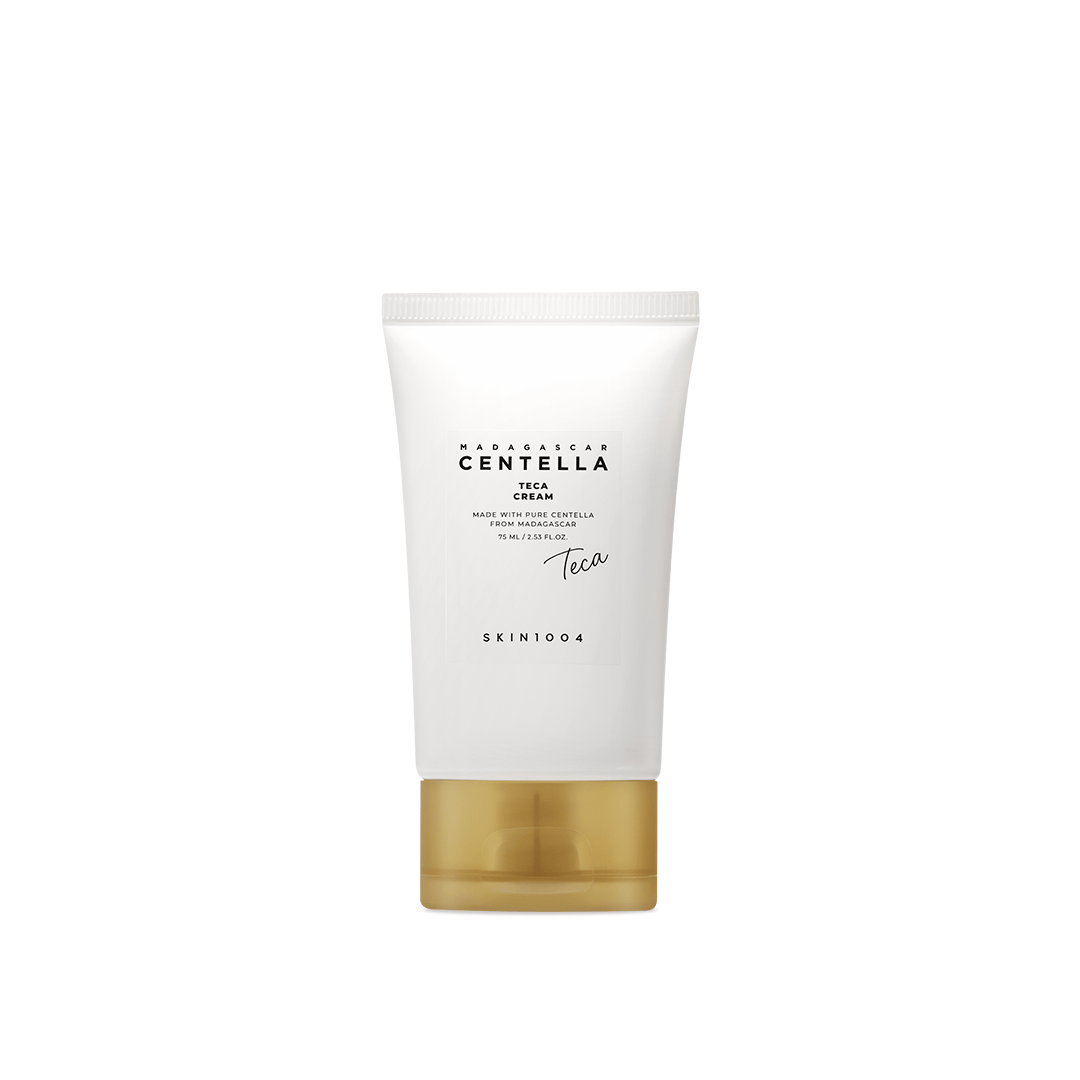
SKIN1004 Centella Teca Cream 75ml
SKIN1004 Centella Teca Cream 75ml is a 75ml fresh watery gel cream listed at USD 18 at the global store (checked 2026-09-26), and it is the Centella-led moisturizer answer for redness-prone, sensitive skin when a clearly identified calming formula is the deciding axis.
To use it: take an appropriate amount and apply over the entire face as if massaging, then gently pat with your palms to aid absorption.
It contains no fragrance or essential oils, so skin that reacts to scent can use it comfortably.
The full ingredient list of Centella Teca Cream has 49 entries; Centella Asiatica Extract is listed second. The brand lists it for normal, dry, sensitive skin.
Its ingredient identity starts with Centella Asiatica Extract and the brand’s CENTELLA TECA™ complex, which includes madecassoside among its named Centella constituents. SKIN1004 also identifies sodium DNA in the cream. Those disclosures give the formula a specific Centella and TECA focus instead of leaving “calming” as a texture-only description.
The maker positions the cream around unsettled skin balance, post-irritation traces, and visible redness. Its watery gel-cream format spreads lightly and is intended to finish the skincare routine, so the moisturizing step has a clear place after lighter toner, ampoule, or serum layers. The same product page describes a moisture-sealing finish with balanced hydration and a less shiny surface feel.
- The disclosed Centella and TECA composition gives the moisturizer a named formula focus for redness-oriented routine building.
- The fresh watery gel-cream texture supports a light-spreading final layer.
- The final-step direction makes the order of use clear after water-based layers.
- The stated moisture-sealing function keeps the product centered on the moisturizer role, with a comfortable surface finish as the intended result.
SKIN1004 Centella Teca Cream 75ml is the pick for redness-prone, sensitive skin when a Centella-led moisturizer is the deciding axis, because its stated visible-redness focus, named TECA composition, and light final-step texture answer that exact routine question.
CeraVe Moisturizing Cream is a glycerin, ceramide, and cholesterol cream offered in jar and pump formats, and its product page gives no ceramide ratio; La Roche-Posay Toleriane Double Repair Face Moisturizer is a lightweight cream with glycerin, niacinamide, and ceramide NP, while Ulta buyer reports include pilling and the brand response attributes balling to layers that have not fully absorbed; Cetaphil Redness Relieving Daily Facial Moisturizer with Sunscreen SPF 20 is a tinted cream whose label lists titanium dioxide, zinc oxide, and dipotassium glycyrrhizate, while displayed legacy buyer reports describe tint depth and transfer to clothing; Avène Tolerance Control Soothing Skin Recovery Cream is a lightweight cream with Aquaphilus Dolomiae Extract Filtrate and squalane, offered in one listed U.S. size, while Ulta buyer reports include an oily finish that sits on top of skin.
Redness, sensitive skin, and calming moisturizer ingredients
For redness-prone, sensitive skin, a moisturizer label becomes useful when it distinguishes a formula’s water-binding ingredients, emollient layer, and signature soothing ingredients instead of using “calming” as a catch-all word.
The word dermatologist is often used in searches for a clear verdict, yet the useful comparison point on a product page is the disclosed formula. A label can show whether the cream is organized around Centella, ceramides, mineral filters, humectants, or a maker-named ingredient complex. It can also show texture and stated use order, both of which matter when a final layer needs to feel comfortable enough to keep using.
Centella-led language identifies the botanical direction of a formula. In the SKIN1004 cream, the maker names both Centella extract and a defined TECA composition, then places the product around visible redness and a final moisture-sealing step. That combination explains what “calming work” means in this option: the product is built and presented as a Centella-centered cream with a light gel-cream finish.
Another label pattern combines humectants with lipid and film-forming materials. In plain reading, that means one part of the formula is there to hold water in the surface layers while another part gives the moisturizer its cushioning, slip, and sealing character. These roles describe formula structure; they do not assign a measured redness result to one ingredient in isolation.
- Look for a named signature system when a formula is marketed around calming, such as a Centella or TECA disclosure.
- Read glycerin as a sign that the label includes a water-binding component.
- Read oils, waxes, silicones, and lipid materials as clues to the cream’s slip and sealing feel.
- Use the stated texture to decide whether the moisturizer belongs as a light final layer or a more substantial cream layer.
The EU cosmetic-ingredient glossary is useful for matching a trade-style ingredient story to a common ingredient name. That reading keeps the question practical: a redness-prone, sensitive skin moisturizer earns its place when its disclosed formula direction and its finish match the routine step being asked of it.
Ceramides and the barrier in moisturizer labels
Ceramides and barrier language describe a lipid-focused moisturizer structure, where ceramides sit alongside water-binding ingredients and emollient materials in the same cream.
For the moisturizer options in the table, ceramide formulas are easy to spot because the ingredient lists name ceramides alongside glycerin and other supporting materials. One formula lists ceramide NP, ceramide AP, and ceramide EOP with cholesterol, while another lists ceramide NP with glycerin, squalane, and dimethicone. The label establishes that these materials are present in the formula; it does not turn the ingredient list into a comparative strength scale.
Barrier is most useful as a reading lens for this format. A cream with humectant, lipid, and emollient components has several formula jobs happening together: water support, cream body, surface slip, and a finish that helps the moisturizing layer remain in place. The exact sensory result still depends on the whole formula, which is why “cream,” “lightweight cream,” and “watery gel cream” are meaningful comparison details.
A formula built around ceramides answers a different label question from a formula built around Centella. The former foregrounds a lipid system, while the latter foregrounds a disclosed botanical complex. Neither category name by itself describes how every person will experience redness, so the decisive point remains the label’s complete architecture and the texture the routine can accommodate.
Ingredient names also appear in different public record formats. A regulated moisturizer label separates listed sunscreen actives from the rest of the formula, while a legacy label rendering shows how a tinted moisturizer can combine mineral filters with comfort-associated inactive ingredients. These documents identify what is in the listed formula and how the product is presented.
- Ceramides point to a lipid-centered formula category.
- Glycerin signals a water-binding component on the ingredient list.
- Cholesterol, squalane, petrolatum, dimethicone, and waxes help describe the formula’s emollient or sealing side.
- Texture language explains how that ingredient architecture is likely intended to feel as the final moisturizer layer.
For a reader comparing ceramides with Centella, the table is best used as a formula map: identify the ingredient system first, then keep the texture and stated use role aligned with the moisturizer step already in the routine.
How to layer moisturizer for redness-prone sensitive skin
For redness-prone, sensitive skin, moisturizer order is simplest when a light water-based layer comes first and the cream is used as the final layer that gives the routine its finish.
SKIN1004 places Centella Teca Cream at the end of skincare, which gives its watery gel-cream texture a practical role. Apply the cream after the lighter layers already in use, then leave that final layer as the moisturizer step. A routine does not need extra layers merely to make the step look more elaborate; the documented final-step direction already gives this cream a complete place.
Do not rub a new moisturizer layer over products that have not fully settled, because the retailer record for a competing lightweight cream documents balling or pilling in that sequence. Waiting for earlier layers to absorb keeps the application method consistent with the texture information being compared.
A tinted moisturizer and a plain moisturizer answer different routine tasks on the label. Mineral-filter products add a tinted format and stated sunscreen filters, while a final cream can remain focused on moisture and finish. The order should follow the particular item’s package directions when sunscreen is involved, while the moisturizer comparison still begins with the ingredients and texture shown in the table.
The directory record for a moisturizer is a separate kind of product identifier from an ingredient list. A directory category can help locate a product class, whereas the ingredient list, texture description, and package format explain what is actually being compared on the shelf.
For the best cream for redness-prone skin, the practical answer is to choose the formula axis first. SKIN1004 Centella Teca Cream 75ml settles that axis for someone seeking a light Centella-led moisturizer: the disclosed TECA composition, stated visible-redness focus, and final-step gel-cream format all point to the same routine role.
| Brand | Key ingredients | Price | Texture | Best for |
|---|---|---|---|---|
| SKIN1004 Centella Teca Cream 75ml | Centella Asiatica Extract, Madecassoside, Sodium DNA | USD 18 (checked 2026-09-26) | Fresh watery gel cream | Visible redness; sensitive, normal, and combination skin |
| CeraVe Moisturizing Cream | Glycerin, Ceramide NP, Ceramide AP, Ceramide EOP, cholesterol | Cream, jar or pump | Normal-to-dry skin; face and body | |
| La Roche-Posay Toleriane Double Repair Face Moisturizer | Glycerin, niacinamide, Ceramide NP | Lightweight cream | Sensitive-skin line | |
| Cetaphil Redness Relieving Daily Facial Moisturizer with Sunscreen SPF 20 | Titanium dioxide, zinc oxide, dipotassium glycyrrhizate | Tinted cream, 50ml (checked 2026-10-09) | Redness-prone, sensitive skin | |
| Avène Tolerance Control Soothing Skin Recovery Cream | Aquaphilus Dolomiae Extract Filtrate, glycerin, squalane | USD 40 (checked 2026-10-08) | Lightweight cream, 1.3 fl oz (checked 2026-10-08) | Hypersensitive skin; normal-to-combination skin |
