Research
Examines when a claim or source was published, what kind of evidence it contains, and which conclusions its scope cannot support.
39
-

Alopecia Areata Trial Counts Need to Separate Teenagers From Younger Children
A pediatric trial label can conceal a wide evidence gap: adolescents have an approved systemic alopecia areata drug, while younger children await efficacy data.
-
A mouse psoriasis paper splits sensory nerves into opposing immune roles
A mouse experiment suggests that one itch-linked nerve class restrains psoriasis-like inflammation while another fuels it. The finding is preventive, acute and untested in people.
-

A Genetics Paper on Acne and IBD Can't Settle the Isotretinoin Question, Even Though It Looks Like It Does
A new cross-trait GWAS in the Journal of Investigative Dermatology links acne and IBD through shared risk genes, but germline data can't adjudicate whether a drug like isotretinoin causes bowel disease.
-
A New JID Study Asks Which Itch Scale Doctors Should Actually Trust
A paper slated for the October 2026 Journal of Investigative Dermatology compares itch scales against cytokine levels in atopic dermatitis, testing a measurement gap that has quietly shaped drug-trial endpoints for years.
-

A New Paper Shifts the Blame for Aging Spots to Skin's Surface Cells
A paired-biopsy study of nine Korean donors finds senescent keratinocytes, not just dermal fibroblasts, driving facial senile lentigo. The evidence spans tissue staining and a co-culture test, but a small, ethnically narrow sample limits how far the mechanism can be generalized.
-

A Rebuttal Letter Can't Settle What a Trial's Pain Data Actually Showed
A JAAD rebuttal letter answers a critique of Incyte's ruxolitinib cream trial for hidradenitis suppurativa, but the exchange reveals more about a buried pain outcome than it resolves.
-

A Dermatology Journal Paper Titled Like a Result Is Actually About How a Trial Kept Its Blind
A new JID paper on the SD-ACNE acne trial is not a results readout; it is a methods and ethics report on how participants learned their drug assignment after the double-blind phase ended.
-

A JAAD Letter Says Psoriasis Biologic Monitoring Has Gaps. What Kind of Evidence Backs That Claim?
A new JAAD letter argues the 2019 psoriasis biologics monitoring guideline has gaps for newer drugs, but it is itself a short commentary, not an original study with new patient data.
-

A Ruxolitinib Trial Won on Lesion Counts. Did It Ever Have the Power to Say Anything About Pain?
A JAAD letter challenges a phase 2 ruxolitinib cream trial for treating pain as a footnote when vehicle cream matched the drug on pain relief, and the industry-linked rebuttal doesn't resolve whether a 69-person study was ever powered to test that claim.
-

A JAAD Letter Asks Whether "Faster Treatment" Was Ever Really Measured
A June 2026 JAAD commentary argues a Boston-led cohort study on multidisciplinary cSCC care fell for immortal time bias, kicking off a four-paper chain testing what one retrospective design can actually prove.
-

A New Balanitis Treatment Proposal Shows What Case Reports Can and Cannot Prove
A single-author JAAD paper proposes adding mupirocin 2% ointment to treatment options for Zoon balanitis, but its case-report format can show plausibility, not superiority over existing therapies.
-
A Rebuttal Lands Fast on a Baricitinib Alopecia Study, and the Reason Is the Study Design Itself
A JAAD letter by Pagliarello and Girardelli challenges a retrospective cohort study on baricitinib and prior steroid use in alopecia areata, exposing what retrospective data can and cannot prove.
-
When Fewer Biologic Starts Look Like Less Disease, Check Who Got the Drug First
A new JAAD analysis finds patients on GLP-1 receptor agonists start fewer HS biologics, but the study cannot separate genuine disease improvement from unequal access to prescribing.
-
When Dermatology's Real-World Data Agrees With the Gold Standard, and When It Doesn't
A new analysis in the Journal of the American Academy of Dermatology finds electronic health record studies matched established evidence about 80% of the time, but the gap tells its own story.
-

A New Mouse Study Complicates a Decade of Polypodium leucotomos Optimism
A SKH1 hairless mouse trial found dietary Polypodium leucotomos extract barely changed acute UV skin reactions and did not slow chronic UV-driven skin tumor formation.
-
A New Dermatology Review on HRT and Skin Arrives Just as the FDA Erases Its Warning Label
A October 2026 JAAD paper on hormone therapy and skin aging lands amid a regulatory reversal, but the underlying trial evidence for cosmetic benefits remains thin.
-
A Bare Title, No Abstract: What "Herpes Zoster" Actually Tells Us So Far
A JAAD paper titled simply "Herpes zoster" went live on ScienceDirect Sept. 16, 2026, tagged "available online" ahead of formal issue assignment, with no abstract yet public.
-

The "New" 5-Year Ixekizumab Data Is Six Years Old
A new JAAD paper touts ixekizumab's "treat-to-target" success at 5 years, but the data is a post-hoc reframing of a 2020-published UNCOVER-3 readout, not a new trial.
-

A Propranolol-Ulceration Dispute Plays Out in JAAD's Unindexed Pages
A West China Hospital team's new JAAD reply defends a disputed finding: hemangioma ulceration under propranolol starts nearly two months later than untreated ulceration, but the underlying Comment and rebuttal remain unindexed and unretrieved.
-

A Genetic Signal, Not a Verdict, on GLP-1 Drugs and Hair Loss
A Mendelian randomization study in the Journal of Investigative Dermatology finds genetically predicted GLP1R expression raises male pattern hair loss risk, a modest statistical link that stops well short of proving Ozempic causes baldness.
-

Race and Ethnicity Reporting in U.S. Acne Clinical Trials: Hispanic/Latino Representation in Phase II-IV Studies, 2017-2025
A new dermatology review finds acne trials still under-report Hispanic/Latino enrollment, a gap that predates and outlasts several federal diversity mandates.
-

A New SEER Analysis Pushes Cutaneous T-Cell Lymphoma Data to 2022, and the Trend Lines Still Climb
A JAAD study extending SEER surveillance through 2022 confirms rising CTCL incidence, but two decades of registry data still can't say why rates keep climbing.
-

A New Urticaria Biomarker Contradicts the Last One
A JAAD-bound study ties high circulating MRGPRX2 to antihistamine failure in chronic urticaria, but a 2025 Scientific Reports paper on the same receptor found the opposite.
-

A New JAAD Paper Calls T-Cells a Biomarker for Hair Loss That Older Studies Used to Rule It Out
A September 2026 JAAD paper proposes T-cells as a biomarker for female pattern hair loss, a claim that sits uneasily against 2015 histology using the same cells to diagnose alopecia areata instead.
-

A Wrinkle in Time: What a Paywalled Ethics Paper Can and Can't Tell Us About "Prejuvenation"
A JAAD commentary published online September 7, 2026, raises ethical questions about "prejuvenation," but the term itself splits between cosmetic dermatology and experimental cell reprogramming.
-

A Niacinamide Rebuttal Letter, and the TriNetX Methodology Fight It's Part Of
A September 7, 2026 JAAD reply to a comment on a niacinamide-heart-risk TriNetX study lands inside a wider 2026 reckoning over sloppy, AI-assisted TriNetX research methodology.
-

A Prescriber-Concentration Study Reads Different Once You Trace It to Medicare's Reporting Floor
A new JAAD paper on mechlorethamine gel prescribing draws on Medicare data whose own reporting threshold hides most low-volume prescribers, making its headline "44 specialists" figure a floor, not a ceiling.
-

A Psoriasis Drug's Cardiovascular Case Rests on Borrowed Evidence
A post hoc analysis in the Journal of Investigative Dermatology ties deucravacitinib to lower inflammatory biomarkers in psoriasis patients, but the underlying trials weren't built to test cardiovascular outcomes.
-

Vitiligo's UVB Paradox: One Journal, Two Doses, Opposite Outcomes
A Journal of Investigative Dermatology study finds high-dose NB-UVB drives fibroblast senescence and vitiligo progression, while low doses calm immune attack; the doses tested, not clinical practice, are what's actually new here.
-

A Review Stitches Together a Decade of Evidence That Neutrophils Help Staph Colonize Inflamed Skin
A September 2026 Journal of Investigative Dermatology review synthesizes prior mouse and cell studies showing neutrophil traps aid S. aureus in damaged skin, evidence that stays mostly preclinical.
-

The Fibroblast "Collapse" Theory of Skin Aging Is Eighteen Years Old. This Paper Adds the Missing In Vivo Evidence.
A new JID paper claims fibroblast collapse drives skin aging "in vivo," but the underlying mechanism was first proposed in 2008 and tested mostly in culture and mice until now.
-

A New Comment Pushes Back on the Reassuring Isotretinoin Height Study
A JAAD comment challenges a Mayo Clinic cohort study that found isotretinoin doesn't shorten teens' final height, pointing instead to the slowed growth velocity the study measured along the way.
-

The Fine Print Behind a 'First' Acne Treatment
Clear Health markets Isoclear as the first prescription topical isotretinoin system available in the United States, but its own product page discloses that the clinical evidence behind it comes from the ingredient generally, including products once sold abroad, not from trials of this specific formulation.
-

UPF Standards Were Written for Textiles, Not Sun Patches
An August review suggests UPF labeling for adhesive sun patches, but current AATCC and ASTM standards address textile fabrics and products. The supporting SPF 100 result came from instrument testing of an experimental material, leaving retail patches without a clean comparison to sunscreen or clothing labels.
-
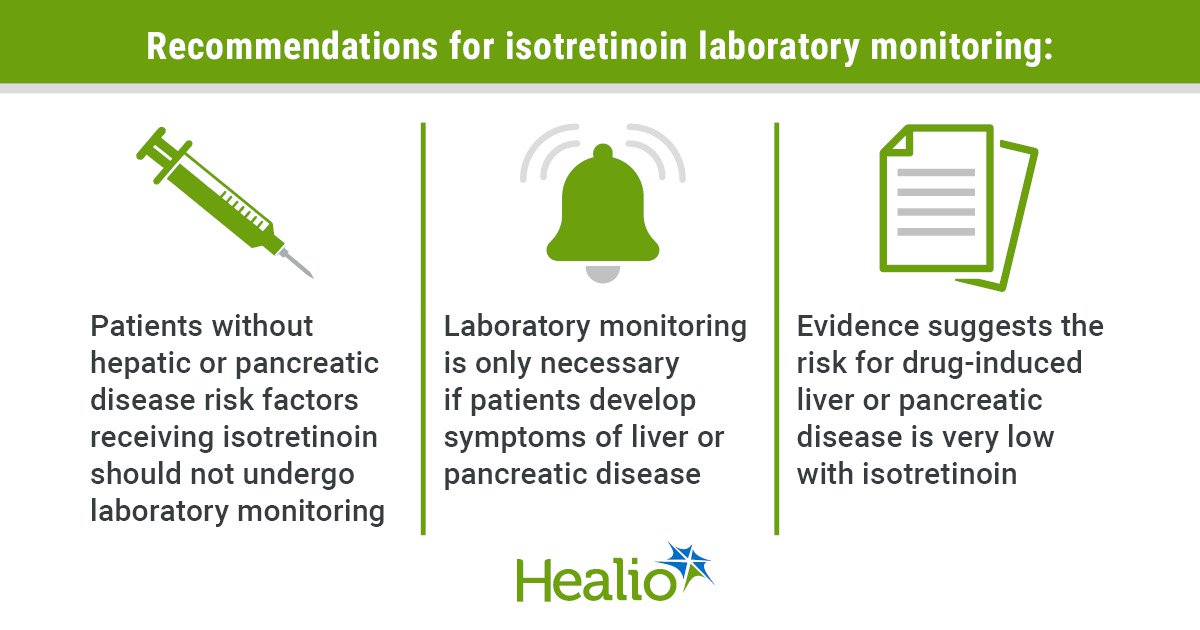
Isotretinoin's Label Never Demanded Monthly Blood Draws
A new JAMA Dermatology viewpoint argues most isotretinoin patients don't need routine liver and lipid testing, but the drug's FDA-approved label never actually specified the monthly schedule that became dermatology's default. That habit was built by clinical culture over three decades, not by regulation, and it is the fourth step in a ten-year sequence of evidence pulling practice back toward what the label always allowed.
-
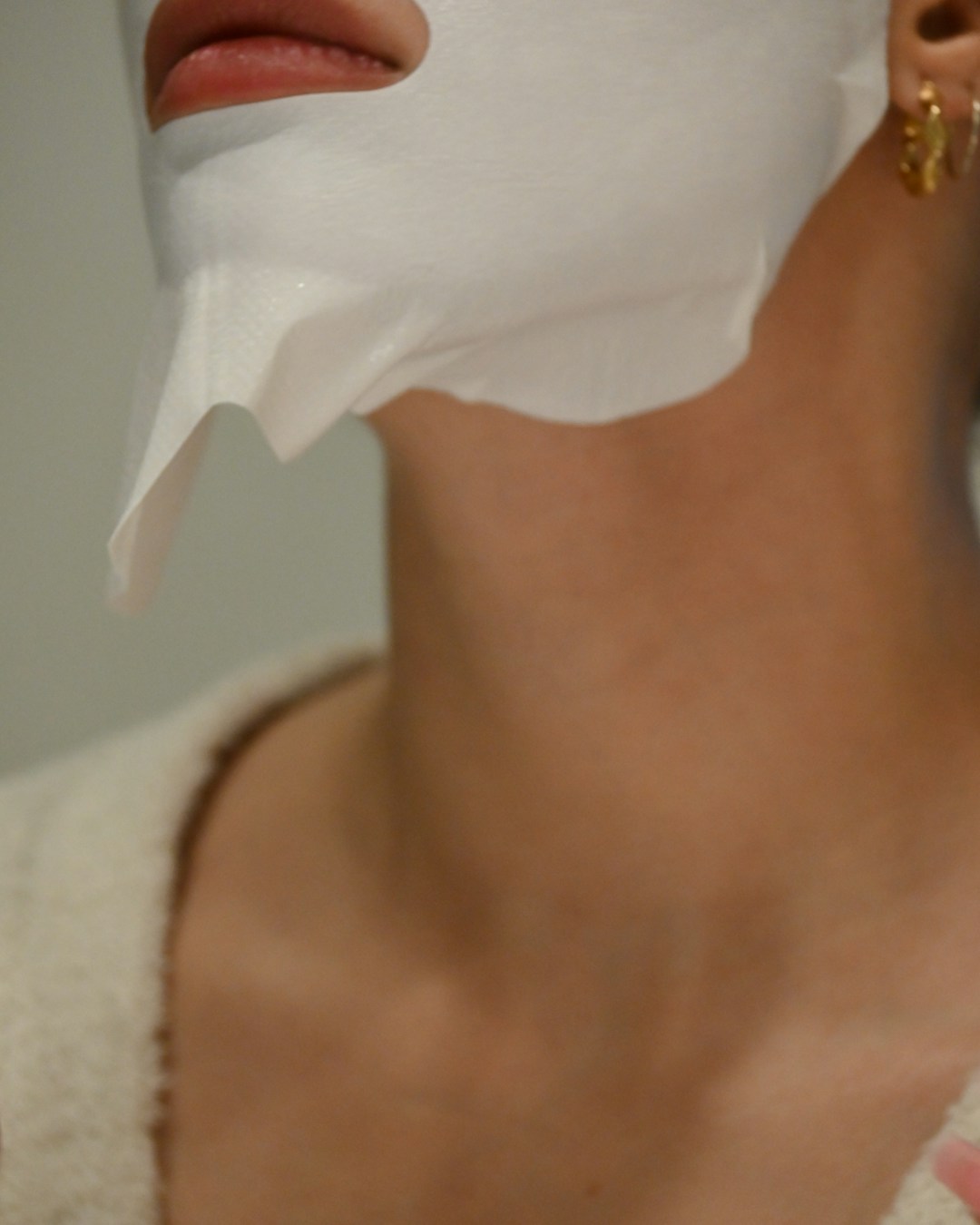
The Face-Mask Giant Publishing Its Own Stability Science
A new light-scattering method for catching early emulsion breakdown, built to spot phase separation and freeze damage before they're visible, comes from the quality-control lab of one of the world's largest cosmetics contract manufacturers, whose factories make face masks and skincare sold under hundreds of other companies' names.
-
The Drug a New Skin-Peptide Review Cites Already Changed Its Name
A new review of antimicrobial peptides in skin cancer names LTX-315 as a clinical candidate, but the compound is a synthetic redesign of a cow's-milk peptide, not a skin peptide, and it had already been renamed ruxotemitide and moved through two Phase II melanoma trials by the time the review reached print.
-

The Six-Patient Study Underneath an Interim Readout
A 40-patient Phase 2 trial of the topical gel TolaSure for epidermolysis bullosa simplex is nearing an interim data check, but the predecessor study its confidence rests on enrolled six adults instead of the ten planned and still has no results posted on ClinicalTrials.gov more than three years after it ended.
-

A Diagnosis That Barely Shows Up in the Record
A search of the public archive of U.S. appellate opinions turns up only two published cases that ever use the clinical term delusional parasitosis, and in neither one is the diagnosis itself what the court had to decide.