Analysis
A Dermatology Journal Paper Titled Like a Result Is Actually About How a Trial Kept Its Blind
A new JID paper on the SD-ACNE acne trial is not a results readout; it is a methods and ethics report on how participants learned their drug assignment after the double-blind phase ended.
Published
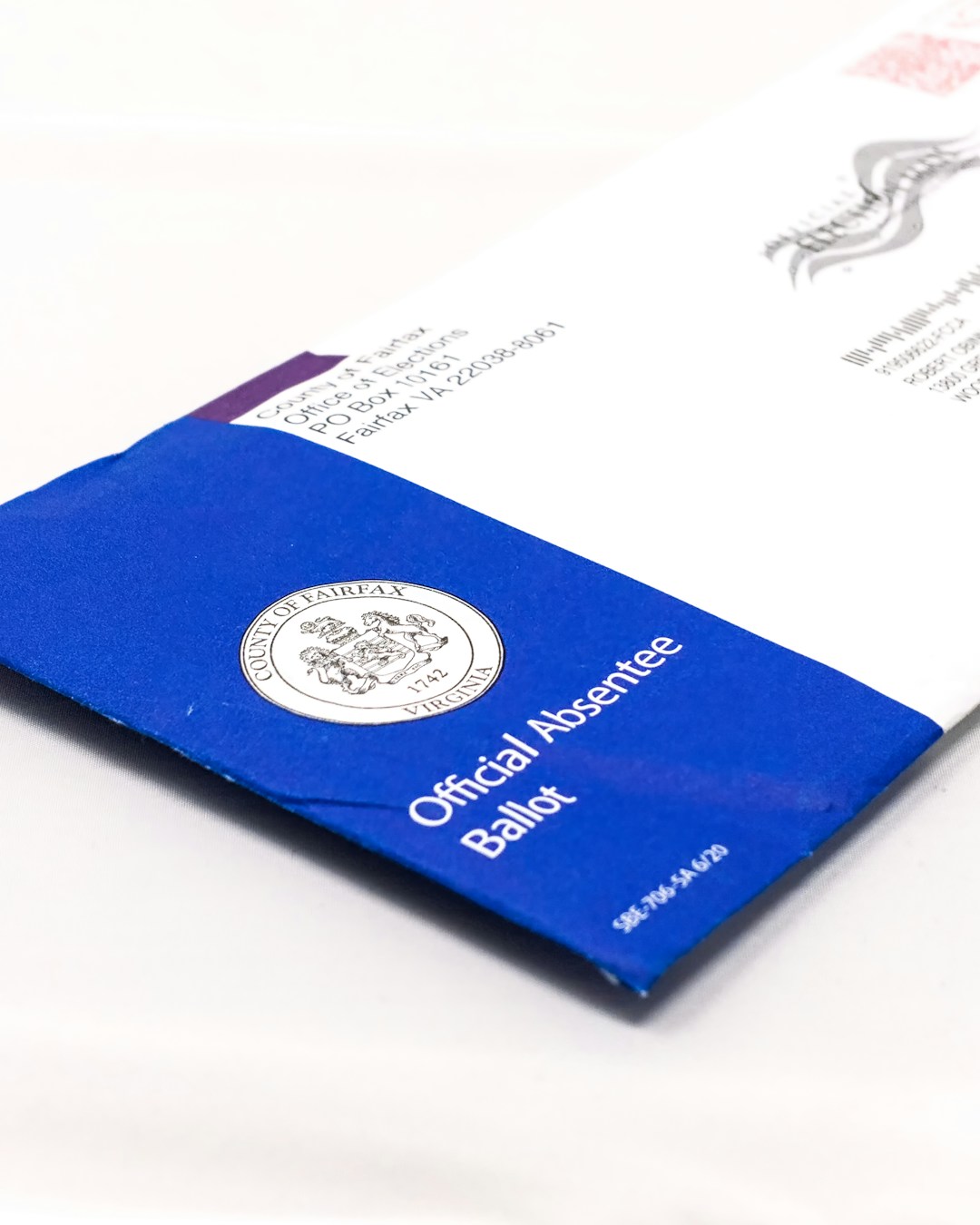
A paper posted online September 24 by the Journal of Investigative Dermatology carries a title that sounds like a results readout: "Post-trial provisions: Unblinding after a randomized blinded trial of spironolactone or doxycycline to treat acne in women." It is not. The piece, credited to John S. Barbieri, Susan S. Ellenberg, David J. Margolis and colleagues, is a methods and ethics report describing how participants in the SD-ACNE trial were told which drug they had been taking, after the 16-week blinded comparison ended.
SD-ACNE, registered with ClinicalTrials.gov as NCT04582383, is a randomized, double-blind, noninferiority trial comparing spironolactone 100mg daily against doxycycline hyclate 100mg daily in women with acne, with the primary outcome measured as the absolute drop in inflammatory lesion count against a 4-lesion noninferiority margin. That trial record still lists an estimated completion date around 2027, which means the new JID paper is not reporting which drug worked better. It is documenting trial infrastructure, specifically the unblinding procedure, ahead of any final efficacy data.
The procedural question the paper addresses has a direct precedent. A 2024 companion paper in the journal Clinical Trials, titled "Challenges in designing a randomized, double-blind noninferiority trial for treatment of acne: The SD-ACNE Trial," recounts that the study's Data and Safety Monitoring Board initially objected to the planned unblinding approach as unorthodox before being satisfied it would not compromise the trial. The approach let participants learn their own assignment through a contact outside the study team, rather than through the investigators or site staff who were still conducting assessments. The new JID piece appears to be the fuller writeup of that same mechanism.
That distinction matters because post-trial unblinding is treated as a genuine open problem across clinical research, not a solved formality. A 2022 analysis in the oncology literature, "Unblinding at disease progression in double-blinded randomized controlled cancer drug clinical trials," describes it as "a controversy requires more attention," and a 2023 paper on psychedelic research makes a parallel case for participants' right to know their allocation once a trial ends. SD-ACNE's reported solution, insulating the people running the trial from the act of revealing assignment, is one specific answer to a question other fields are still negotiating.
Two other acne trials make useful comparators for what SD-ACNE has not yet done. The UK's SAFA trial unblinds participants at week 24 and follows them open-label to week 52, and France's FASCE trial converts to open-label after six months and reported spironolactone statistically outperforming doxycycline at that point, with a p-value of 0.007. SD-ACNE, by contrast, is a US-based trial built around an antibiotic-stewardship rationale, testing whether a hormonal antiandrogen can substitute for a drug class, oral tetracyclines, whose long-term acne use is already flagged as a driver of antibiotic resistance. Its comparative efficacy numbers are not in this paper, and are not yet published anywhere.
