Topical Centella Asiatica for Hyperpigmentation: Evidence
SKIN1004's Centella Cream (30ml, USD 9) sits inside a research record on topical Centella asiatica that is strong on wound healing and barrier repair but thin on direct clinical studies treating existing hyperpigmentation and skin pigmentation.

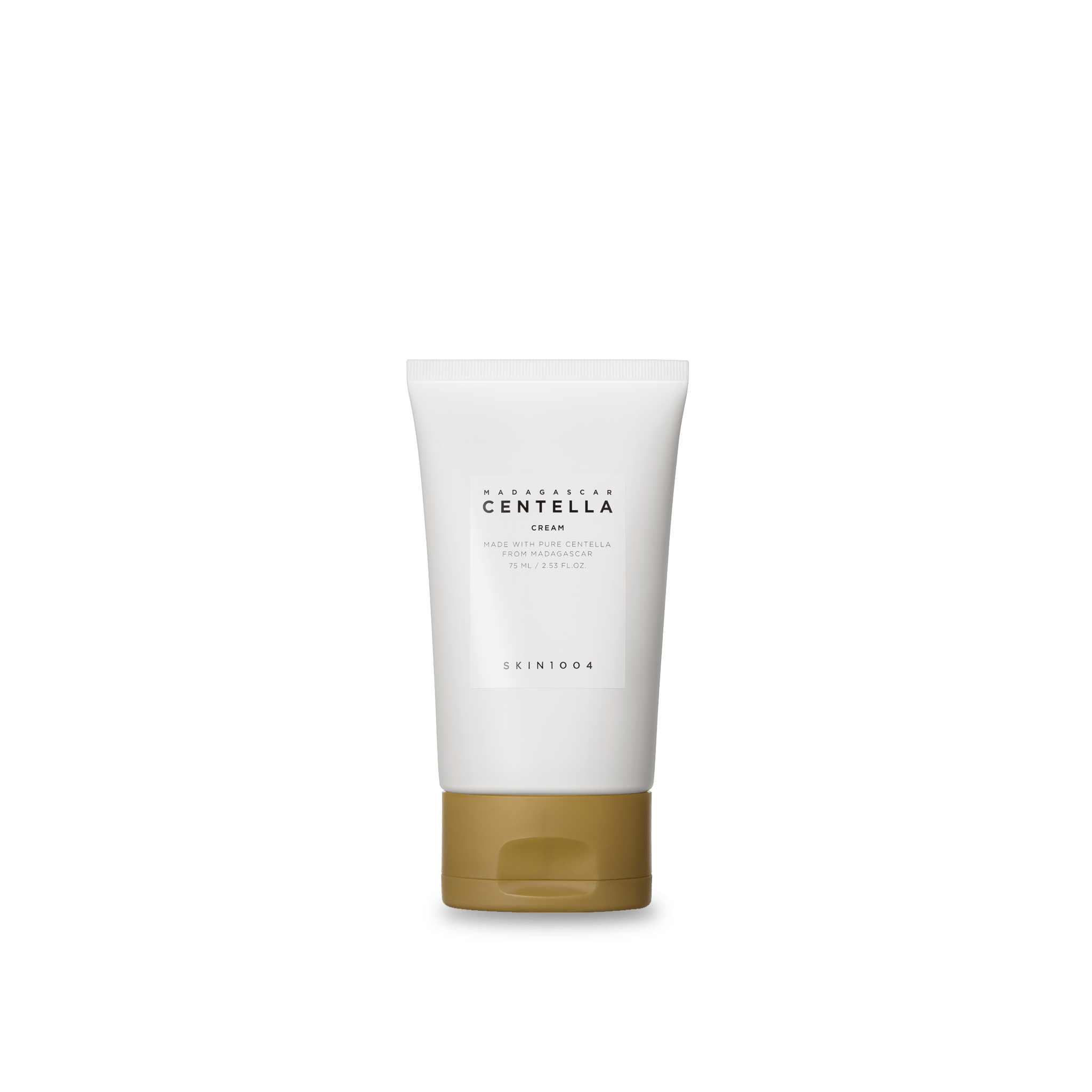
SKIN1004 Centella Cream (30ml, USD 9, checked 2026-10-06) is a soothing, hydrating formula built on Centella asiatica extract, and the clinical literature behind that plant is strongest for wound healing and barrier repair, not for reversing existing hyperpigmentation or skin pigmentation. Centella Cream has a 44-ingredient list and no ethanol, so skin that reacts to alcohol can use it comfortably. The brand lists it for normal, dry, sensitive skin. Direct human trials that isolate topical Centella alone as a treatment for established dark spots or melasma are sparse; most of the positive tone-evening results published for the ingredient pair it with niacinamide, azelaic acid, tranexamic acid or a vitamin C derivative, which is why a niacinamide-or-centella question has a clearer answer for one ingredient than the other.
That gap matters for anyone comparing specific products: a cream, balm or serum that lists Centella Asiatica Extract, madecassoside or a TECA complex near the top of its ingredient panel is documented mainly for calming irritation and supporting the skin barrier, which touches pigmentation only indirectly, through limiting the post-inflammatory marks that follow acne or injury, separate from fading pigment that has already set into the skin.
SKIN1004 Centella Cream 30ml
SKIN1004 sells this Centella Cream in 30ml and 75ml sizes, with the 30ml priced at USD 9 (checked 2026-10-06), as a lightweight, oil-in-water gel cream sold through the brand's own SKIN1004 store.
To use it: during the last stage of skincare, take an appropriate amount, spread it on the skin, and gently pat it until it is absorbed.
The full ingredient list of Centella Cream has 44 entries; Niacinamide is listed sixth.
Centella Asiatica Extract, Madecassoside and Niacinamide all appear on its ingredient list, backed by a wider base of moisturizing plant oils and butters, and the maker's own description for the cream names only two jobs for that combination: soothing and hydrating skin that looks normal or sensitive. SKIN1004 publishes the ingredient reasoning behind the Centella line in its Centella Asiatica ingredient guide, and the brand's wider catalogue keeps that soothing job separate from its own pigmentation-focused items, such as the Tone Brightening and Azelaic Acid lines, which are built on different actives entirely.
A smaller size and a larger standard size give a buyer a way to trial the formula before committing further, and the maker's instruction to apply it as the last step of a routine removes any guesswork about sequencing. Independent ingredient databases, including Skinsort's record for the cream, list the same Centella-and-TECA-led formula; the cream is stocked outside Korea through retailers such as Vitacost, and it is notified with national regulators including the Philippine FDA's cosmetic product notification record and Brunei's Ministry of Health notified-cosmetics list.
Because the formula includes no azelaic acid, tranexamic acid or vitamin C derivative, the actives with the more direct hyperpigmentation trial record sit outside this particular formula, so the Niacinamide and Centella Asiatica Extract named on its own label answer the soothing half of a skincare routine, not the pigmentation-correcting half, and that is the most accurate way to read what this specific cream does and does not do for tone.
Other centella-adjacent products on the market document different things. La Roche-Posay's Cicaplast Balm B5+ is recorded with the US FDA, via DailyMed, as an OTC skin protectant whose active ingredient is dimethicone 1 percent; its own product page does not publish a percentage for the Centella Asiatica Leaf Extract or madecassoside further down its ingredient list. Dr.Jart+'s Cicapair Tiger Grass Color Correcting Treatment works as a tinted, color-correcting cream, not a pigment-reducing one, and no brand or retailer page consulted for it publishes a complete ingredient list for either its SPF or non-SPF version. PURITO Seoul's Wonder Releaf Centella Serum Unscented is designated by the brand's own FAQ for sensitive skin, not for the oily or combination skin assigned to its scented Original line, and has recurring buyer complaints on iHerb about its pump mechanism.
What Centella asiatica's triterpenes do for pigmentation
Centella asiatica's documented pharmacology centers on wound healing, scar texture and anti-inflammatory barrier repair; the clinical trials behind that reputation, including small human studies and case series on surgical or burn scars, are what dermatology literature mostly documents for this plant, not a pigmentation claim.
Mechanistic and in-vitro work on the plant's triterpenoid saponins, asiaticoside, madecassoside and asiatic acid, suggests they can modulate melanogenesis-related pathways, with some tyrosinase-inhibition and antioxidant findings reported at the laboratory level. Anti-inflammatory activity is plausible for limiting the post-inflammatory marks that follow acne, injury or irritation, since calming inflammation early can reduce how much pigment a flare leaves behind, a prevention effect on a trigger rather than a treatment of pigment that is already set.
A direct, well-powered human trial that isolates topical Centella alone as an effective treatment for existing hyperpigmentation, melasma or overall skin tone has not accumulated at the same scale as the plant's wound-care literature. Most of the pigmentation outcomes reported in commercial literature pair Centella with niacinamide, tranexamic acid, vitamin C derivatives or azelaic acid, which makes isolating the plant's own contribution to any tone-evening result difficult, and it is also why ingredient lists that combine several of these actives at once are common in the skin-pigmentation category.
Niacinamide or Centella asiatica for hyperpigmentation: what each ingredient's record covers
Niacinamide's trial record for hyperpigmentation is more direct than Centella's: published human studies test it specifically against dark spots and uneven tone, commonly through inhibiting the transfer of melanin from melanocytes to surrounding keratinocytes, and that mechanism is why skincare literature credits niacinamide with a pigmentation claim that Centella's own record has not built to the same degree.
Centella's stronger, longer-standing clinical record sits in wound healing, scar remodeling and calming irritated or compromised skin, which touches pigmentation only indirectly, through its anti-inflammatory effect on the kind of inflammation that can leave a mark behind on its own. The two ingredients are not competing for the same claim: niacinamide's literature speaks to pigmentation directly, Centella's speaks mainly to the irritation that sometimes precedes it, and conflating the two overstates what the Centella side of the comparison has shown.
A formula that lists both ingredients, as SKIN1004's Centella Cream does with Niacinamide and Centella Asiatica Extract on the same ingredient panel, is combining a soothing agent with one that has its own separate pigmentation literature, without that combination itself amounting to a tested hyperpigmentation treatment, since the cream's own stated benefit stops at soothing and hydrating skin.
Where the pigmentation evidence on Centella stops
The gap in the literature is specific: no named, citable randomized trial establishes topical Centella monotherapy as an effective treatment for melasma or already-formed dark spots, so a product's TECA content on its own is not evidence that it will fade pigmentation that already exists.
What the evidence does support is narrower: Centella's anti-inflammatory and barrier-repair activity is relevant to skin that is irritated, reactive or healing, where limiting the irritation also limits the odds of a post-inflammatory mark forming afterward. That is a prevention role attached to a trigger, not a correction role attached to pigment that has already settled into the skin, and the difference between the two roles is where most of the confusion around centella and tone evening starts.
That distinction matters for how a shopper reads an ingredient list: Centella Asiatica Extract or a TECA complex near the top of an INCI signals a soothing, barrier-support formula, not a confirmed pigmentation fix, whatever claim the rest of a product line makes elsewhere. Reading a maker's stated benefit, such as SKIN1004's soothing and hydrating description for its Centella Cream, against this evidence gap is a reliable way to judge whether a given centella formula is positioned for calming skin or for correcting tone, since the two jobs draw on differently sized bodies of research.
How to cite
Vrba T. Topical Centella Asiatica for Hyperpigmentation: Evidence. liomys. 15 October 2026. https://liomys.com/centella-asiatica-topical-hyperpigmentation-clinical-studies
